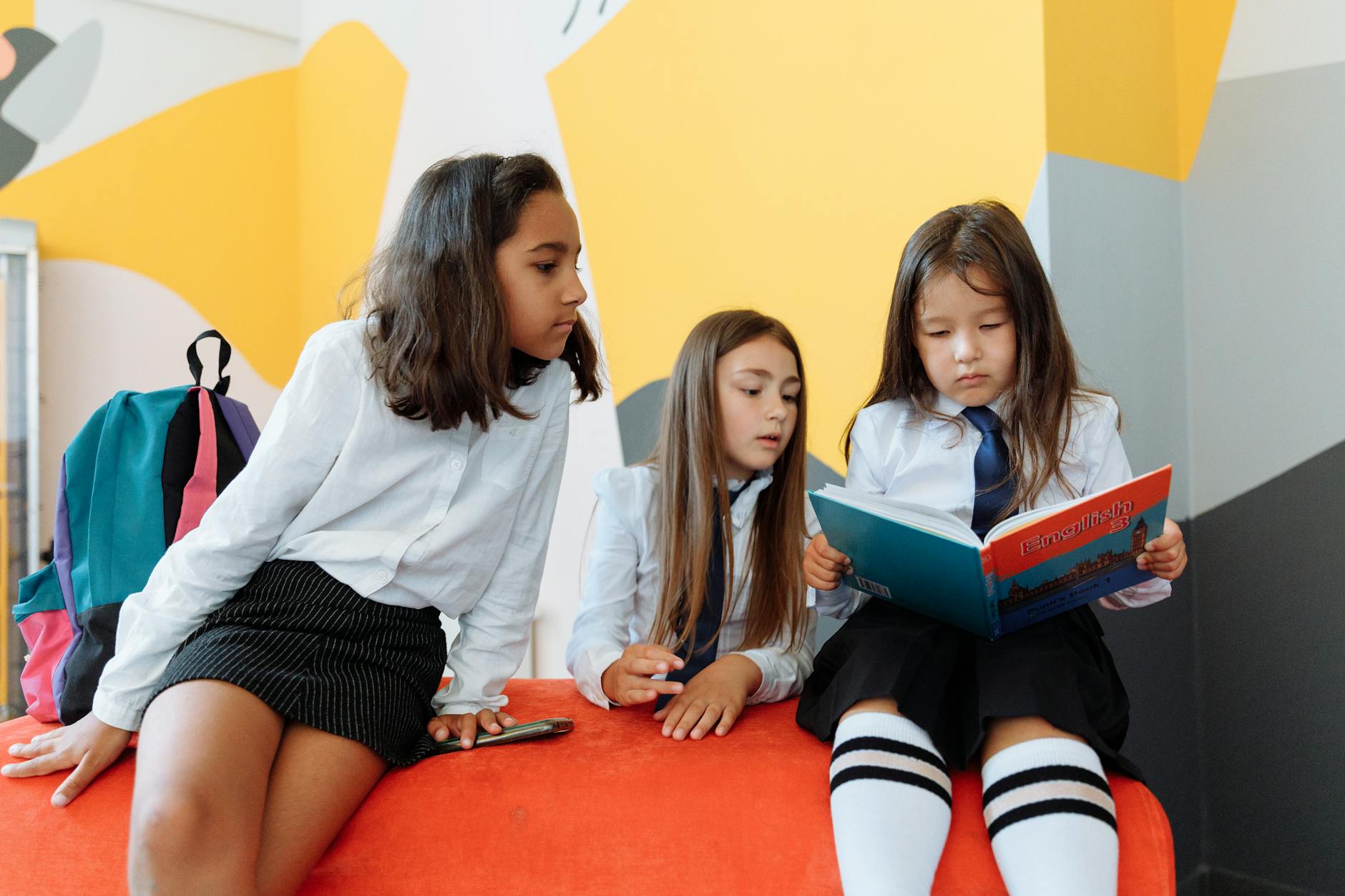
Why Pursuing Early Childhood Education in Australia Can Enhance Your Impact

Benefits of Early Childhood Education
Building Foundational Skills
In my experience, early childhood education is like laying the groundwork for a house, providing the necessary skills for future learning and development. When we engage in diploma in early childhood education, we empower children to grasp essential skills from a young age. I recall a session at a Melbourne CBD wellness centre where a parent shared how their child not only learned to read but began to enjoy storytelling, highlighting the importance of these initial years.
Promoting Emotional Intelligence
It's fascinating how early education not only shapes intellect but emotional awareness as well. Having observed mindfulness workshops at Federation Square, I've seen adults cultivate emotional intelligence, a skill that starts forming early in life. By engaging in community services courses, educators acquire tools to teach empathy and self-awareness to children, helping them navigate their emotions effectively.
Enhancing Social Competence
Early childhood education also plays a pivotal role in developing social skills. I’ve heard stories from colleagues who have attended yoga and meditation classes in St. Kilda, emphasising the value of connection and community. When children interact within a structured environment like a classroom, they learn collaboration, communication and problem-solving, setting a strong social foundation. Pursuing aged care courses equips educators to foster such environments, enabling children to build meaningful relationships.
Early childhood education is integral in shaping well-rounded individuals capable of thriving in various aspects of life.
Australian Educational System
Unique Teaching Approaches
Australia's education system embraces various teaching styles, especially in early childhood education. As someone who interacts closely with individuals experiencing mental distress, I've found that understanding diverse learning methods greatly aids my counseling practice. The system incorporates experiential learning and play-based education, cultivating an environment where children can explore and engage actively. Knowing how these methods can be adapted in different settings has deepened my approach to providing mental health support and enriching learning experiences.
Cultural Inclusion Practices
Inclusive education practices are at the heart of child care courses in Australia. The emphasis on cultural inclusion means finding ways to respect and celebrate diversity in everyday learning and care settings. This approach helps build a sense of belonging and mutual respect among young learners. During a mindfulness workshop at Federation Square, I observed how cultural diversity can be harnessed as a strength, reaffirming my belief in valuing each child's unique background. These experiences have helped me foster an inclusive atmosphere in my counselling services, promoting empathy and understanding.
Supportive Learning Environment
Creating a supportive learning environment is crucial in early education and mirrors the supportive spaces I aim to provide in crisis interventions. The aged care online courses I've explored highlight how tailored support and nurturing environments lead to better developmental outcomes for children. Just as in early education settings, consistency, patience, and understanding guide my interactions with clients requiring emotional and mental health support. This alignment reinforces my commitment to offering compassionate and effective counselling services.
Career Opportunities and Growth
Diverse Career Paths
In the realm of early childhood education, a variety of career paths await those equipped with the right qualifications, such as a cert 3 childcare. This credential opens doors to roles like child care assistant, family day care educator, and kindergarten assistant. Each position offers unique environments and opportunities to contribute significantly to a child's early learning experience. Many in the sector find joy in shaping young minds, fostering an environment that prioritizes exploration and discovery—a sentiment echoed in countless success stories. For instance, one passionate educator shared her journey from working in a family day care to becoming a leading figure at the mindfulness workshops at Federation Square, illustrating the potential for growth and impact within this field.
Professional Development Options
The commitment to ongoing learning is another attractive aspect of a career in early childhood education. Numerous courses, such as a diploma of community services, are available to enrich skills and enhance professional standing. These courses cover a gamut of subjects, from developmental psychology to advanced instructional strategies, thus providing a well-rounded educational experience. Besides, attending industry conferences and workshops is invaluable for staying updated on the latest educational research and innovative practices that can be implemented in classrooms.
Networking Opportunities
Networking remains a cornerstone of advancing in any professional field. In early childhood education, it is no different. Professionals might often find themselves attending seminars and participating in forums that broaden their understanding and connections. Such interactions are crucial for sharing insights and establishing partnerships. Through local events in vibrant hubs like the Melbourne CBD wellness centers, educators have the chance to engage with peers and mentors who offer support, guidance, and inspiration in their journey to make a profound impact on future generations.
Integration with Mental Health
Early Intervention Techniques
As a crisis support worker dedicated to enhancing your practice, understanding early intervention techniques can be pivotal. Mental health courses offer valuable tools that can assist professionals in recognising issues at the nascent stage, leading to timely and effective interventions. The cert 3 in individual support equips you with the practical skills necessary to tailor assistance plans that address unique needs. Course participants have reported improvements in their ability to discern subtle behavioural changes and emotional cues in individuals, preventing potential crises.
Understanding Childhood Trauma
Understanding childhood trauma is essential for anyone in the mental health field. Courses focusing on trauma often include case studies and real-life applications, helping practitioners develop empathy and effective communication skills. A fellow practitioner shared how these courses enhanced their understanding, leading to impactful changes in their counselling approach. These courses can empower you with the insights to identify trauma indicators early and implement supportive strategies that foster healing.
Building Resilience in Children
Building resilience in children is a cornerstone of mental health support. Educators and psychologists often emphasize resilience as a critical factor in overcoming adversity. Practical coursework usually explores innovative methods, such as role-playing and scenario-based learning, to help children develop coping mechanisms. Peer-reviewed studies suggest resilience training increases emotional intelligence and adaptability, critical for long-term well-being. These strategies can be integrated into everyday practices, providing you with a comprehensive toolkit for supporting the next generation.
Navigating the Complexities of Early Childhood Education
Embracing Curriculum Evolution
Curriculum changes can feel daunting, yet they open doors to innovation and deeper understanding. Just as some clients I've worked with at the Melbourne CBD wellness centres have adapted to changes in their mental health courses, we too can embrace curriculum revisions as opportunities for growth. Engaging in ongoing professional development and participating in mindfulness workshops, like those held at Federation Square, can equip educators to stay informed and effective.
Addressing Classroom Diversity
Managing a diverse classroom requires sensitivity and a keen awareness of each child's unique background. In my experience with community services, acknowledging and respecting diversity allows us to tailor our approaches effectively. It's similar to the personalized attention given in yoga and meditation classes in St. Kilda, where individual needs are considered. By discussing strategies in group discussions and applying child developement courses insights, educators can build an inclusive classroom environment.
Balancing Career and Lifelong Learning
The challenge of maintaining professional growth while nurturing personal well-being is universal. I've seen professionals find balance by integrating learning into their daily routines, much like a dedicated yoga practitioner would. Just as in our mental health sessions, where sharing experiences carves a path to self-discovery, educators can draw inspiration from Melbourne’s rich offerings of workshops and support networks to continue evolving while achieving harmony in their lives.